Quick Take
A successful trade show presence isn’t an accident—it’s engineered. This guide breaks down five creative strategies that elevate your brand’s physical footprint:
- Themed Environments: Turning your space into a destination.
- Interactive Design: Shifting attendees from passive viewers to active participants.
- Modularity: Keeping your messaging consistent across multiple events.
- Digital Reach: Building photogenic spaces that drive organic social buzz.
- Intentional Lighting: Using atmosphere to guide the visitor journey.
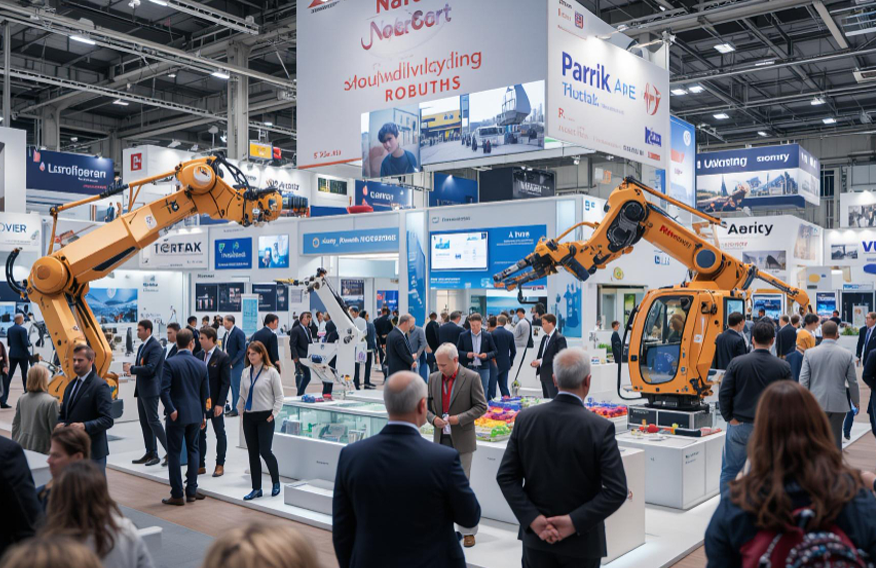
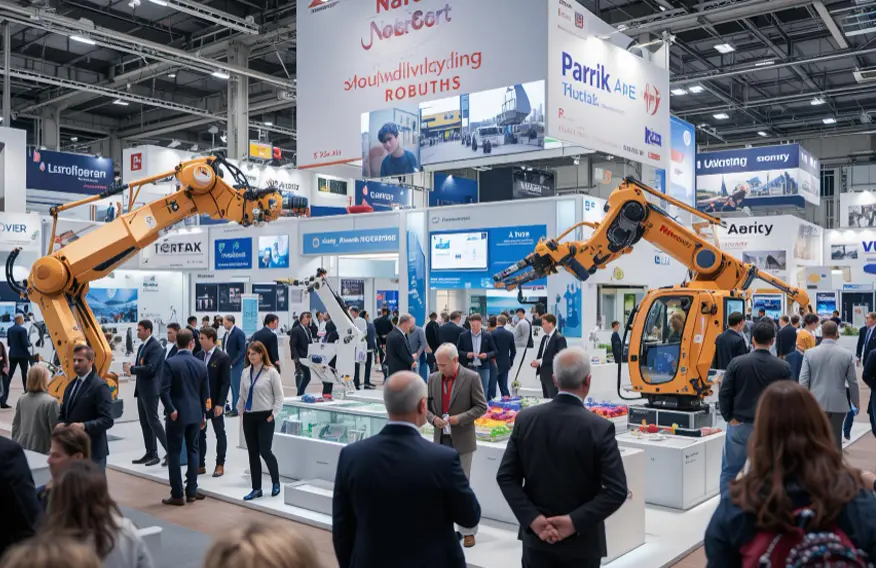
Walking a trade show floor is an experience in sensory overload. Hundreds of booths, thousands of attendees – everyone competing for the same few seconds of attention. The brands that win are usually the ones with the most intentional, well-executed presence.
At Reveal MKTG, we’ve seen firsthand what separates a booth people walk past from one they walk into and remember. These five creative trade show booth ideas are a good place to start brainstorming for your next event.
What Makes a Creative Trade Show Booth Design Work?
Before getting into specific ideas, it’s worth discussing what “creative” means in a trade show context. Creativity without strategy is decoration. A great booth concept needs to serve a purpose: attract the right people, communicate something meaningful fast, and give attendees a reason to engage and stay.
The best creative trade show booth ideas come from a clear understanding of who your audience is, what your brand needs to say, and how the physical space can do that work. Design, fabrication, and experience all must speak the same language. When those pieces align, the result is a booth that looks good and performs.
- Build Around a Strong Theme
Themed exhibits are one of the most powerful, yet underutilized tools in trade show marketing. A well-chosen theme pulls every design decision into focus: the structure, the graphics, the materials, the lighting, the staff presentation.
A theme doesn’t have to be theatrical. It can be as straightforward as a design language rooted in the brand’s identity or as immersive as a full environmental concept. What matters is consistency and commitment. A half-executed theme reads as noise, while a fully realized environment becomes a destination that draws people in.
When designing a themed space, focus on brand world-building – think about how you can translate your company’s core values into a physical landscape.

The fabrication quality is what brings any theme to life. A 3D render can look incredible on screen, but it’s the physical craftsmanship of the final build that determines whether the experience lands with your audience.
- Design for Interaction, Not Just Observation
A booth where people can interact is a booth where people spend time. More time means more conversation, and more conversation means more opportunity. Interactive elements don’t need to be high-tech to be effective, though technology can absolutely uplift the experience.
Consider what kind of interaction makes sense for your brand and audience. Product demonstrations that put your product in the attendee’s hands are almost always more impactful than passive displays. Touchscreen content can let visitors self-navigate through information at their own pace, while games and activations create energy and draw foot traffic from across the aisle.

The key is making the interaction feel purposeful. It should connect to your brand message. When the experience is designed with intention, it becomes part of your brand story rather than a distraction from it.
- Think About Modularity Before the Show Season Starts
This one is especially relevant if you have a programmatic calendar of events throughout the year. A modular exhibit is designed to scale up or down based on the available footprint at each show.
The value of trade show displays and custom exhibits built with modularity in mind goes beyond cost efficiency. It means your brand experience remains consistent across every event, regardless of the space size. Attendees who encounter your brand at multiple shows throughout the year see a unified presence.
Planning for modularity at the design and fabrication stages makes this possible. Retrofitting a non-modular exhibit is expensive and limiting. Starting with modularity as a design principle from the beginning opens a lot more flexibility down the line.

- Make the Booth Worth Photographing
Social media sharing is one of the most overlooked dimensions of trade show ROI. A booth that photographs well extends its reach far beyond the show floor. Attendees sharing content from their time at your booth are essentially advocates putting your brand in front of their networks.
This starts at the design stage, where decisions about layout, materials, and sightlines shape how the entire space will function. To make an exhibit photogenic, you must move past standard printed banners and think about physical depth. Incorporating bold, backlit architectural elements, rich textures, and dedicated, organic photo moments naturally invites attendees to capture the space.

The goal is to create at least one moment in the booth that people instinctively want to photograph and share.
- Use Lighting as a Design Tool
Lighting is another powerful tool in creative booth design. The right lighting can make a small space feel expansive and draw attention to specific products or zones. It sets the emotional tone of the experience and brings graphic elements to life.
Overhead lighting on a show floor is notoriously flat and unflattering. Intentional lighting as part of your booth design immediately separates the space from its surroundings. Backlit fabric, accent lighting on displays, and color-tuned ambient light all contribute to an atmosphere that feels considered and premium.
Lighting decisions need to be made in the design phase. The fabrication and the lighting must work together from the start.
Make Your Next Show Count
The difference between a forgettable booth and a memorable one usually comes down to intention. Creative trade show booth design is less about flashy concepts and more about disciplined thinking. It’s knowing what your brand needs to communicate, understanding your audience, and executing at a level of craft that makes the experience feel considered.
Get in touch with us today if you’re planning your next exhibit or thinking about a new approach to your event calendar.