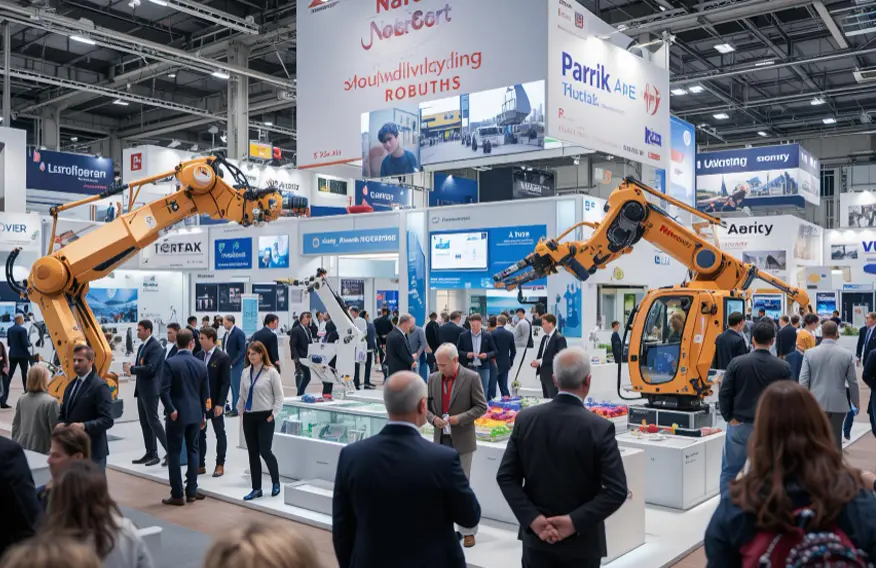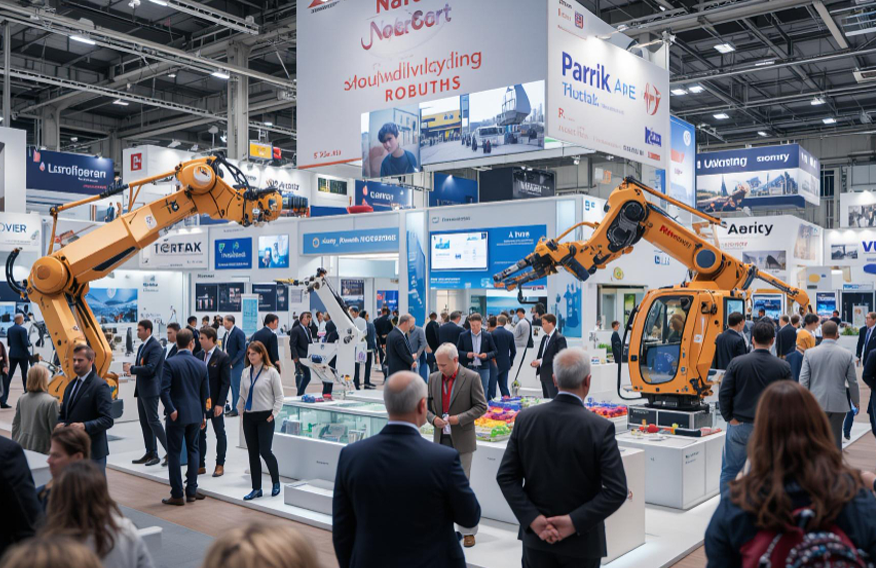
Their aisles are packed, their staff are engaged, and their brand presence is pervasive. It may look like magic, but the strongest booths rarely succeed by accident.
They succeed because they were built backward.
Most organizations plan a show by looking at what they have—their products, their booth assets, and their budget. But to build a truly effective tradeshow marketing strategy, you have to start at the finish line. This is “reverse engineering”: a results-first process where you analyze the specific outcomes you want—like a strategic partnership or 500 qualified leads—and then trace the exact steps required to reach them.
Just as an engineer deconstructs a finished machine to see how its parts work together, you can deconstruct your event goals to build a booth that actually performs. From exhibit design to immersive experiences, every element included in your trade show strategy should contribute to your success.
Here is how you can stop guessing and start reverse engineering your next win.
Start With Clear Business Objectives
A reverse engineering mindset begins by defining what success actually looks like for your business.
Clear objectives may include:
- Generating qualified leads
- Building new partnerships
- Increasing brand awareness within specific industry segments
- Supporting pipeline or revenue-driven goals
- Strengthening positioning in key accounts or markets
Without a defined outcome, tradeshow participation can feel unfocused.
Organizations that approach events strategically often connect tradeshow planning with broader marketing strategies and services.
This alignment ensures:
- Booth messaging reflects overall brand narrative
- Consistency across digital campaigns, sales outreach, and content marketing
- A unified experience across every customer touchpoint
When these elements line up, the event becomes a powerful extension of your company’s overall marketing approach rather than a singular activity.
Analyze the High Performing Exhibit
High-performing trade show exhibits share clear patterns that set them apart from standard booths. Studying successful exhibitors can reveal patterns worth looking into.
Common characteristics include:
- Strong visual differentiation on the show floor
- Consistent and sustained booth traffic
- Clear opportunities for structured conversations
- Intentional use of space to guide engagement
- Messaging that is immediately understandable
Storytelling is another defining factor in high-performing exhibits. Strong exhibits communicate:
- What the company does
- Why it matters
- Who it is relevant for
- Key differentiators within seconds
Attendees should know what your company offers and why it matters within seconds of seeing the booth.
Evaluate The Visitor Journey
Reverse engineering trade show success requires a full understanding of the end-to-end visitor experience.
The visitor journey begins well before the event itself.
Pre-event engagement typically includes:
- Email marketing campaigns
- Social media announcements
- Targeted outreach to key prospects
- Scheduled meetings during the event
- Pre-show content designed to drive booth visits
Pre-event promotion plays an important part in attracting the right audience.
Once attendees arrive, the physical space shapes their first impression. Immersive trade show booth displays and custom exhibits help guide movement while presenting brand messaging in an intriguing format.
Effective booth environments should:
- Guide visitor movement intuitively
- Present messaging in a clear and engaging format
- Highlight key offerings immediately
- Encourage exploration and interaction
Consider the Impact of Experiential Engagement
Experiential elements are now a core component of modern trade show strategy. Common experiential approaches include:
- Live product demonstrations
- Interactive digital technology (AR/VR, touchscreens, installations)
- Immersive brand environments
- Hands-on participation opportunities
- Story-driven engagement moments
These experiences help visitors remember the brand long after the show floor closes. People tend to recall events where they actively participated rather than spaces where they only watched a presentation. Experiential engagement can have a major influence on building those memorable moments.
However, experiential design must always be intentional. Effective experiential engagement should:
- Align with brand messaging and positioning
- Support meaningful conversations, not just entertainment
- Reinforce product or service value
- Guide visitors toward clear next steps
Entertainment without purpose may attract attention yet fail to generate meaningful conversations.
Measure What Happens After the Event
Trade show performance extends far beyond the closing day of the event.
Post-event analysis should focus on lead quality and engagement outcomes.
Key post-event indicators include:
- Follow-up meetings requested
- Product demonstration requests
- Proposal or pricing inquiries
- Sales pipeline progression
- Conversion rates by interaction type
Follow up conversations reveal which interactions during the event created genuine interest.
Analyzing these outcomes can highlight which aspects of the booth experience were most effective. For example, conversations that began during demonstrations might convert more frequently than casual interactions near the entrance.
These insights can help your team refine its strategy for future events.
Organizations that connect event performance data with broader marketing strategies and services gain a more complete view of effectiveness.
This allows teams to:
- Compare lead quality across channels
- Evaluate conversion performance over time
- Identify high-performing engagement strategies
- Optimize future budget allocation
Execution Determines the Final Outcome
Even the best strategy depends on flawless execution at the event level. Planning and analysis create the foundation for tradeshow success, yet execution ultimately determines how visitors experience the brand.
Successful execution requires alignment across:
- Booth design and fabrication
- Staff training and engagement strategy
- On-site visitor experience flow
- Messaging consistency across all touchpoints
- Live event management and responsiveness
Every interaction influences how attendees perceive your company.
Organizations that invest in immersive trade show booth displays and custom exhibits often see stronger interaction because their space feels intentional and inviting.
Adding interactive elements to your exhibit through experiential marketing services can deepen that engagement by encouraging visitors to participate rather than simply observe.
When these elements come together effectively, your booth becomes more than a display. It becomes an environment where meaningful conversations happen naturally.
Why Brands Work with Reveal MKTG for Tradeshow Strategy
Reveal MKTG works closely with organizations that want to turn their event presence into a measurable business driver.
Our approach to a successful trade show marketing strategy includes:
- Early-stage strategic planning aligned to business goals
- Creative concept development and experience design
- In-house fabrication and production
- Integrated experiential design and engagement strategy
- Full logistics, installation, and on-site execution support
Our team collaborates with clients from the earliest planning stages through final execution, helping translate brand goals into compelling exhibit environments.
We focus on the full journey, from early render concepts to logistics and on-site execution, so every detail contributes to a cohesive brand experience.
To support your next activation, we can:
- Assess your current event marketing strategy
- Identify opportunities to improve engagement
- Design immersive, high-impact booth experiences
- Align experiential execution with business objectives
If you want to explore how to create stronger results at industry events, please contact us at Reveal MKTG. We would welcome the opportunity to discuss how our tradeshow and experiential expertise can support your next activation.