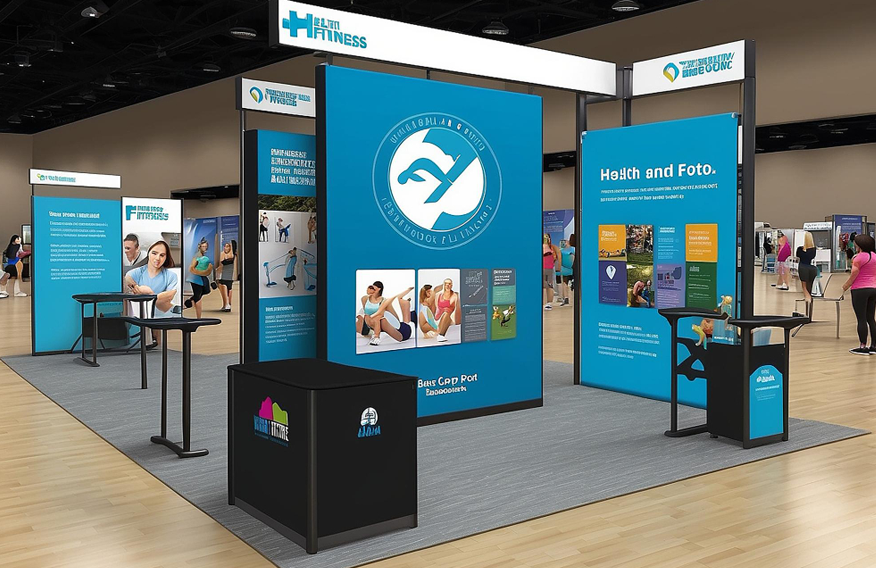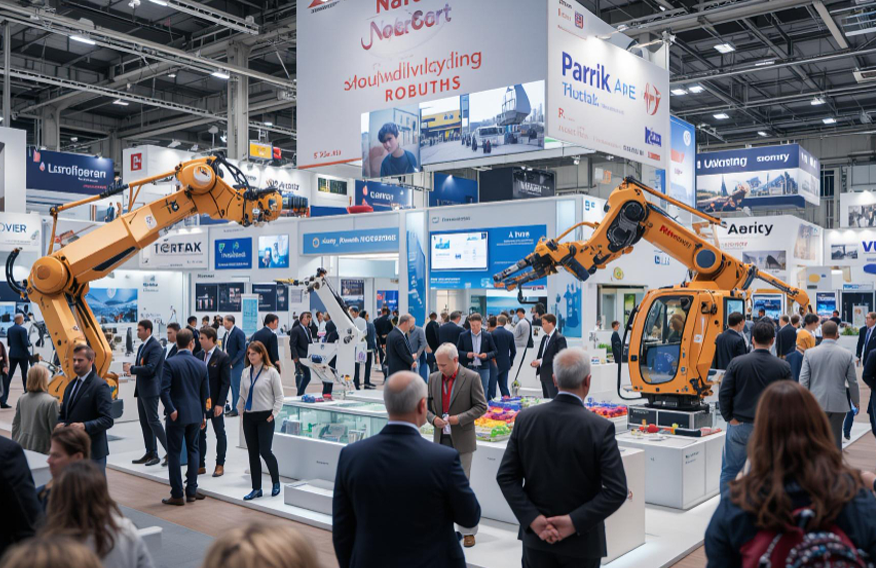
The right experiential marketing metrics give you a clear view of how your activation performs and how audiences respond in real time. If you are planning a single trade show presence or managing a full calendar of events, knowing what to measure helps you make smarter decisions.
1. Engagement and Dwell Time Reflect Real Interest
One of the most telling indicators of success is how long attendees stay within your booth. Engagement time and dwell time go beyond simple foot traffic and show how compelling the experience truly is.
When your audience spends more time interacting with your environment, it signals a stronger interest and deeper curiosity. A well-planned layout and immersive design can naturally encourage longer visits.
Tracking dwell time across different zones of your stand also reveals which areas attract the most attention. These insights help you refine layouts and prioritize elements that keep visitors engaged for longer periods.
2. Lead Quality Over Quantity
Collecting a high volume of leads may seem impressive, but the quality of those leads tells a more accurate story. When you engage visitors through intentional XM strategies, you attract individuals who are genuinely interested in your brand. Measuring lead quality involves reviewing follow-up actions, conversions, and long-term engagement rather than just numbers collected during the event.
High-quality leads often reflect meaningful conversations and interactions that take place at your stand. Observing how attendees respond to demonstrations, engage with product information, or participate in experiential activities reveals their level of interest.
These insights help you prioritize follow-up efforts, build stronger relationships, and translate initial engagement into real business outcomes over time.
3. Brand Recall After the Event
Your impact does not end when the event closes. Brand recall measures how well attendees remember your brand after leaving the environment. Strong visual storytelling combined with a cohesive exhibit design makes your experience more memorable.
When attendees can easily recall your message, it reflects how effectively your activation communicated its purpose. Memorable brand experiences create connections that extend well beyond the event itself.
Elements such as lighting, textures, interactive displays, and thoughtful layouts reinforce the brand story in subtle but lasting ways. When your audience remembers details days or even weeks later, it increases the chance of continued engagement, repeat visits, and social sharing. Strong recall strengthens trust and positions your brand positively in the minds of attendees, turning a single event into long-term value.
4. Social Sharing and Reach
In today’s connected environment, your activation extends beyond the physical space. Social sharing offers insight into how your experience resonates with a broader audience. When attendees post about your exhibit, they amplify your reach and introduce your brand to new audiences. Tracking mentions, shares, and engagement gives you a clearer picture of your overall visibility.
Every post, comment, or share adds another layer of exposure, often reaching people who may never attend the trade show in person. Monitoring these interactions helps identify which aspects of your activation capture attention, spark conversations, and encourage participation.
Social amplification also delivers real-time feedback on messaging, visuals, and engagement strategies. This helps you refine future activations and extend impact across multiple platforms.
5. Measure Feelings, Not Just Footfall
Understanding how attendees feel about your brand is just as important as measuring what they do. Sentiment analysis evaluates reactions, feedback, and conversations to determine whether responses are positive, neutral, or negative. This metric adds depth to your experiential marketing metrics, giving context to engagement and helping you interpret audience behavior more accurately.
Reviewing social comments, survey responses, and direct feedback reveals emotional connections that data alone may not capture. These insights let you adjust messaging, improve experiences, and strengthen how your brand is perceived over time.
6. Consistent Execution
Consistency is a key measurement factor if you participate in multiple trade shows and events throughout the year. A programmatic strategy helps refine your approach over time while maintaining a recognizable presence. Modular exhibit systems make it easier to adapt your booth to different spaces while keeping messaging aligned. When your brand feels familiar across multiple activations, it strengthens recognition and trust.
Consistent execution also improves how you evaluate performance, since repeated elements create a stable baseline for comparison. Tracking experiential marketing metrics across multiple events helps identify patterns, measure improvements, and guide future strategy with greater accuracy.
7. Conversion and Post-Event Action
The final measure of success often becomes clear after the event ends. Conversions, follow-up meetings, and ongoing engagement show how your activation influences real business outcomes. Connecting your event strategy to post-event actions gives you a clearer understanding of how your investment performs over time. A full-service approach that includes planning, execution, and logistics helps align your goals with measurable results.
Measuring success in experiential marketing means understanding how each interaction shapes the overall journey. Tracking the right metrics shows what resonates, drives engagement, and influences brand perception.
Our full-service XM solutions combine design, fabrication, project management, and execution to create measurable, engaging brand environments. Modular booths and programmatic strategies help you track performance and deliver consistent impact across every trade show.
Plan smarter experiences with Reveal MKTG. Get in touch today!